

Crisp Air, Sore Neck? How Fall Driving Conditions Can Increase the Risk of Auto Injuries
Why Fall Driving Conditions Can Be Dangerous
Crisp mornings, colorful leaves, and cooler temperatures make fall one of the most enjoyable times of the year. However, autumn also brings changing road conditions that can make driving more dangerous. Wet leaves, rain, fog, and shorter daylight hours can all contribute to unexpected accidents.
Even a seemingly minor car accident can leave you dealing with neck pain, back discomfort, muscle stiffness, or other injuries. In many cases, symptoms may not appear until hours or even days after a collision.
Understanding how seasonal driving conditions increase accident risks and recognizing potential injury symptoms can help you take better care of yourself throughout the fall season.
Common Fall Driving Hazards That Increase Accident Risks
One of the biggest challenges of fall driving is dealing with unpredictable road surfaces and reduced visibility.
Wet leaves can create slippery conditions, making it harder for tires to maintain traction. When leaves accumulate on the road, drivers may have difficulty braking or maintaining control of their vehicles.
Rain can further reduce visibility and increase stopping distances, while morning fog can make it harder to see other vehicles, pedestrians, and road signs.
Shorter days also mean more people are commuting during darker hours. Reduced visibility during early mornings and evenings can increase the likelihood of sudden braking, rear-end collisions, and other unexpected accidents.
These conditions can contribute to collisions that place significant stress on the body. Even at lower speeds, the sudden force of an impact can cause the head, neck, and spine to move in ways that strain surrounding muscles and soft tissues.
Common Auto Injuries to Watch for After an Accident
After a car accident, your body may experience several types of injuries, even if there is little visible damage to your vehicle.
Some of the most common complaints following an auto accident include neck pain, whiplash, back pain, shoulder discomfort, and muscle stiffness.
Whiplash occurs when the head is suddenly forced backward and forward, placing stress on the neck's muscles and ligaments. Symptoms may include headaches, neck stiffness, tenderness, and difficulty turning your head.
Back pain can also develop when the force of a collision places pressure on the muscles and structures supporting your spine. You may notice soreness when sitting, standing, bending, or performing everyday activities.
Other symptoms can include shoulder pain, reduced range of motion, muscle tension, and general discomfort.
It's important to remember that symptoms do not always appear immediately. If you've been involved in an accident, seek an appropriate medical evaluation, even if you initially feel fine. Severe pain, numbness, weakness, or other concerning symptoms should be evaluated promptly.
How Chiropractic Care May Help After an Auto Accident
Recovering after an auto accident can take time, and the right approach depends on the type and severity of your injuries.
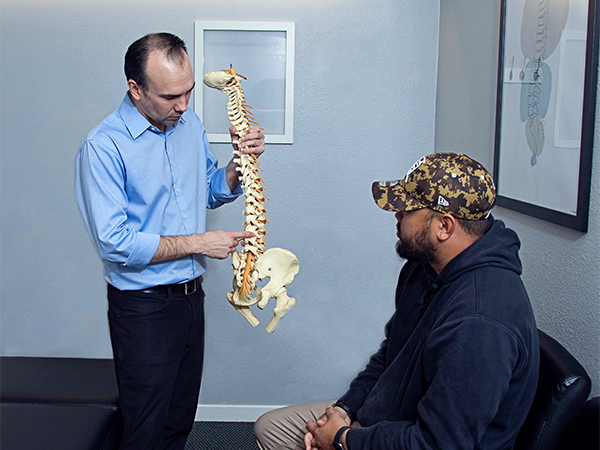
A chiropractor can evaluate your posture, spinal mobility, muscle function, and areas of discomfort to help determine whether chiropractic care may be appropriate.
Depending on your condition and after any necessary medical evaluation, treatment recommendations may include gentle therapeutic exercises, soft tissue techniques, mobility exercises, and postural guidance.
These approaches may help address certain types of muscle and joint discomfort while supporting improved movement and everyday function.
Every accident injury is different, which is why an individualized approach is important. Some injuries require additional medical testing or treatment before chiropractic care can safely begin.
Following professional guidance and allowing your body adequate time to recover can help you make informed decisions about your health after an accident.
Protect Yourself This Fall and Prioritize Your Recovery
Fall driving should be about enjoying scenic routes, visiting pumpkin patches, and spending time with family and friends, not worrying about lingering pain after an unexpected accident.
Taking precautions behind the wheel can help reduce your risk of an accident. Slow down on wet roads, increase your following distance, avoid sudden braking, keep your windshield clear, and remain alert during periods of reduced visibility.
If you are involved in a collision, pay attention to how your body feels in the hours and days afterward. Don't ignore persistent neck pain, headaches, back discomfort, or reduced mobility.
At our chiropractic office, we are committed to helping patients understand their injuries and explore appropriate care options following an auto accident.
If you've recently been in a car accident and are experiencing discomfort, contact our office to schedule an evaluation and learn more about your recovery options.
Don't let fall driving conditions leave you with pain that lasts beyond the season. Take the first step toward recovery today!


Contact Info
Phone: 2532158350
Hours of Operation
- Monday 8:00 AM - 12:00 PM
2:00 PM - 6:00 PM - Tuesday 10:00 AM - 12:00 PM
2:00 PM - 6:00 PM - Wednesday 8:00 AM - 12:00 PM
2:00 PM - 6:00 PM - Thursday 8:00 AM - 12:00 PM
2:00 PM - 6:00 PM - Friday Closed
- Saturday 8:00 AM - 12:00 PM
- Sunday Closed
© 2026 Accident & Injury Chiropractic. All rights Reserved. Accessibility Statement - Privacy Policy - Sitemap
Powered by:
