

Fall Back Into Comfort: How to Spot Whiplash Symptoms After an Autumn Car Accident
Heading: Understanding Whiplash After a Fall Car Accident
Autumn brings beautiful scenery, cooler temperatures, and changing road conditions. However, shorter days, wet leaves, rain, and reduced visibility can make driving more challenging. Even a minor collision during the fall season can leave you dealing with unexpected injuries, including whiplash.
Whiplash is a neck injury that occurs when the head is suddenly forced backward and forward, placing strain on the muscles, ligaments, and other soft tissues in the neck. This movement commonly happens during rear-end collisions, but it can also occur in other types of car accidents.
One of the most important things to understand about whiplash is that symptoms do not always appear immediately. You may initially feel fine after an accident, only to experience neck stiffness, headaches, or discomfort hours or even days later.
Recognizing the warning signs early can help you take the appropriate steps toward recovery and prevent discomfort from interfering with your everyday activities.
Section 2
Heading: Common Whiplash Symptoms to Watch For
After an autumn car accident, it is important to pay attention to changes in how your body feels. Whiplash symptoms can range from mild discomfort to more persistent pain.
Some of the most common symptoms include:
Neck Pain and Stiffness: You may experience soreness, tightness, or difficulty turning your head from side to side.
Headaches: Headaches associated with whiplash often begin near the base of the skull and may spread toward the forehead.
Shoulder and Upper Back Pain: The sudden movement during an accident can strain surrounding muscles and soft tissues.
Reduced Range of Motion: Turning your head, looking over your shoulder, or moving your neck may become uncomfortable.
Muscle Tenderness: Your neck, shoulders, and upper back may feel sensitive when touched or moved.
Fatigue and Dizziness: Some people experience tiredness, lightheadedness, or difficulty concentrating following a whiplash injury.
Symptoms can vary from person to person. Even if your discomfort seems minor, it is worth having an appropriate medical evaluation after an accident.
Section 3
Heading: Why Fall Driving Conditions Can Increase Accident Risks
Fall driving comes with seasonal challenges that can increase the likelihood of car accidents and related injuries.
Wet leaves can become slippery when they collect on roadways, reducing tire traction and making it harder to stop quickly. Rain and early morning fog can also decrease visibility, while earlier sunsets mean more drivers are traveling in darker conditions.
These conditions can contribute to sudden braking, rear-end collisions, and unexpected impacts.
Even when vehicles are traveling at relatively low speeds, the force of a collision can cause the neck to move beyond its normal range of motion.
That is why it is important not to dismiss neck discomfort following a fall accident. Paying attention to your symptoms and seeking professional guidance can help you better understand your injury and recovery options.
Section 4
Heading: How Chiropractic Care May Help After Whiplash
Recovering from whiplash often requires an individualized approach based on the severity of your injury, symptoms, and overall health.
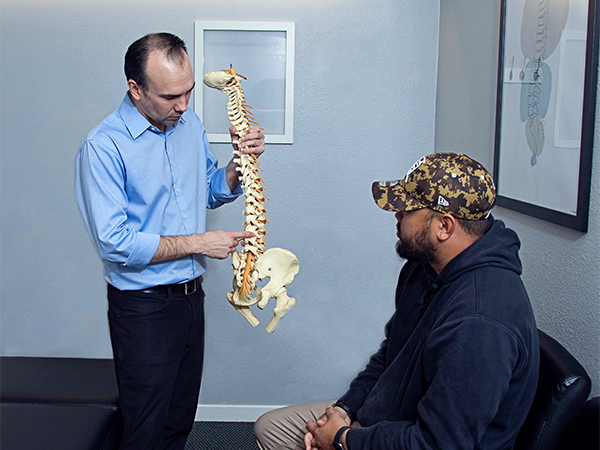
A chiropractor can evaluate your neck mobility, posture, muscle tenderness, and areas of discomfort to help determine whether chiropractic care may be appropriate.
Depending on your condition and after any necessary medical evaluation, a treatment plan may include:
Gentle mobility exercises to support comfortable neck movement.
Therapeutic exercises to help improve strength and flexibility.
Soft tissue techniques to address muscle tension.
Postural guidance to reduce unnecessary strain on the neck and shoulders.
Recommendations for modifying daily activities while recovering.
Not every whiplash injury requires the same treatment. Chiropractic care should be tailored to your individual needs, and certain neck injuries require medical assessment before manual treatment is considered.
If you experience severe or worsening pain, weakness, numbness, significant dizziness, or other concerning symptoms after an accident, seek prompt medical attention.
Section 5
Heading: Don't Let Whiplash Symptoms Follow You Into Winter
Fall should be a season for enjoying cooler weather, seasonal activities, and time with family and friends. Lingering neck pain after a car accident should not keep you from enjoying those moments.
If you have recently been involved in an autumn car accident, pay attention to how your body feels, even if you initially walked away without noticeable injuries.
Early evaluation can help identify potential injuries, provide guidance on appropriate treatment options, and support a safe recovery.
At our chiropractic office, we are committed to helping patients understand their injuries and explore appropriate options for managing discomfort after an auto accident.
Don't ignore the warning signs. Contact our office today to schedule an appointment and learn how we can help you take the next step toward recovery.


Contact Info
Phone: 2532158350
Hours of Operation
- Monday 8:00 AM - 12:00 PM
2:00 PM - 6:00 PM - Tuesday 10:00 AM - 12:00 PM
2:00 PM - 6:00 PM - Wednesday 8:00 AM - 12:00 PM
2:00 PM - 6:00 PM - Thursday 8:00 AM - 12:00 PM
2:00 PM - 6:00 PM - Friday Closed
- Saturday 8:00 AM - 12:00 PM
- Sunday Closed
© 2026 Accident & Injury Chiropractic. All rights Reserved. Accessibility Statement - Privacy Policy - Sitemap
Powered by:
