

Don’t Let a Fall Injury Haunt You: When to See a Chiropractor After a Slip or Fall
Why Slip and Fall Injuries Shouldn't Be Ignored
Fall is a beautiful time of year, but changing weather conditions can create unexpected hazards around your home, workplace, and neighborhood. Wet leaves, rainy sidewalks, slippery stairs, and uneven walkways can all increase the risk of a slip or fall.
While some falls may seem minor at first, the impact can place significant stress on your body's muscles, joints, ligaments, and spine.
You might initially feel embarrassed or shaken rather than injured. However, discomfort can develop hours or even days after the incident. What starts as mild soreness may become persistent neck pain, back pain, stiffness, or difficulty moving comfortably.
Even if you don't notice immediate symptoms, it's important to pay attention to how your body feels after a fall.
Understanding the warning signs and knowing when to seek professional care can help you make informed decisions about your recovery.
Common Injuries That Can Happen After a Slip or Fall
A slip or fall can affect different parts of the body depending on how you land and which areas absorb the impact.
Some common injuries include:
Lower Back Pain: Landing awkwardly or twisting during a fall can strain the muscles and soft tissues surrounding your lower back.
Neck Injuries: Sudden movements during a fall can cause neck stiffness, soreness, and reduced mobility.
Shoulder Injuries: Trying to catch yourself with your hands or arms can place excessive pressure on your shoulders.
Hip and Pelvic Discomfort: Falling directly onto your side can cause bruising, joint discomfort, or more serious injuries.
Wrist and Hand Injuries: Extending your arms to break a fall can result in sprains, fractures, and lingering soreness.
Muscle Strains: Sudden movements and awkward landing positions can stretch or irritate muscles throughout the body.
Not all fall-related injuries are immediately obvious. If you experience persistent pain, swelling, difficulty walking, or reduced mobility, consider seeking an appropriate medical evaluation.
When Should You See a Chiropractor After a Fall?
Knowing when to seek care after a slip or fall is an important part of protecting your long-term comfort and mobility.
Consider scheduling an evaluation if you experience:
Neck or back pain that develops after falling.
Muscle stiffness that makes everyday movements uncomfortable.
Persistent soreness in your shoulders, hips, or joints.
Difficulty maintaining your normal posture.
Reduced flexibility or range of motion.
Discomfort that does not seem to improve with time.
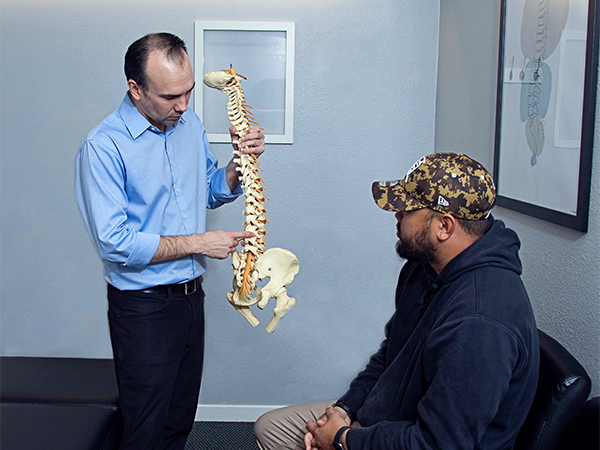
A chiropractor can assess your spinal mobility, posture, muscle function, and areas of discomfort to help determine whether chiropractic treatment may be appropriate.
However, some injuries require medical attention before chiropractic care is considered. If you suspect a fracture, experience severe pain, cannot bear weight, have significant swelling, or experience numbness or weakness, seek medical care promptly. Head injuries, loss of consciousness, confusion, or worsening headaches also require urgent evaluation.
Getting the right assessment can help ensure that your treatment plan addresses the actual cause of your discomfort.
How Chiropractic Care May Support Recovery From Fall Injuries
Once serious injuries have been ruled out, chiropractic care may be one option for managing certain muscle, joint, and spinal complaints following a fall.
Treatment recommendations depend on your symptoms, medical history, and the type of injury you experienced.
Depending on your individual needs, care may include:
Spinal Mobility Assessment: Evaluating movement and identifying areas of stiffness or discomfort.
Gentle Therapeutic Exercises: Supporting flexibility, strength, and functional movement.
Soft Tissue Techniques: Addressing muscle tightness and tension.
Postural Recommendations: Helping reduce unnecessary strain on your back and neck.
Personalized Recovery Guidance: Providing recommendations for safely returning to everyday activities.
Your chiropractor can also help determine whether additional medical evaluation or a referral to another healthcare professional is necessary.
The goal is to create an appropriate recovery plan that supports your comfort, mobility, and overall function.
Don't Let a Fall Injury Follow You Through the Season
Between decorating your home, enjoying fall festivals, walking through parks, and preparing for the holidays, autumn is a busy season.
Lingering pain after a slip or fall can make even simple activities more difficult. Ignoring discomfort may also delay identifying an injury that needs attention.
Take the time to listen to your body and seek professional guidance if something doesn't feel right.
At our chiropractic office, we want to help patients understand their discomfort, explore appropriate treatment options, and work toward improved mobility following an injury.
If you've recently experienced a slip or fall and are dealing with neck pain, back pain, stiffness, or other discomfort, contact our office to schedule an evaluation.
Don't let a fall injury haunt you all season long. Take the first step toward feeling better today!

Contact Info
Phone: 2532158350
Hours of Operation
- Monday 8:00 AM - 12:00 PM
2:00 PM - 6:00 PM - Tuesday 10:00 AM - 12:00 PM
2:00 PM - 6:00 PM - Wednesday 8:00 AM - 12:00 PM
2:00 PM - 6:00 PM - Thursday 8:00 AM - 12:00 PM
2:00 PM - 6:00 PM - Friday Closed
- Saturday 8:00 AM - 12:00 PM
- Sunday Closed
© 2026 Accident & Injury Chiropractic. All rights Reserved. Accessibility Statement - Privacy Policy - Sitemap
Powered by:
